Blue Carbon: The Climate Solution Hidden in Coastal Ecosystems
At low tide, coastal wetlands look quiet and unassuming. A stretch of tangled roots, grasses, or underwater meadows might not seem like the front line of climate action, and yet beneath these landscapes lies one of the planet’s most powerful natural tools for fighting climate change.
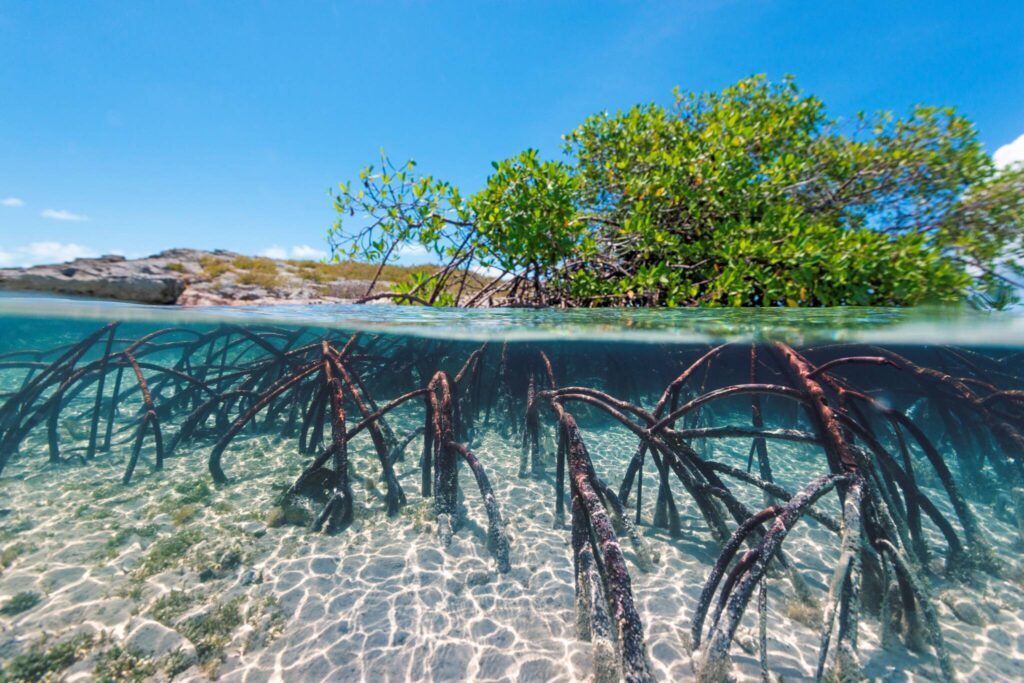
These coastal habitats, known as blue carbon ecosystems, include places like Mangrove Forest, Seagrass Meadow, and Salt Marsh. For generations, they have quietly supported coastal communities sheltering fish, protecting shorelines, and sustaining wildlife. Only recently have scientists begun to fully understand another extraordinary role they play in capturing and storing vast amounts of carbon.
Like forests, these ecosystems absorb carbon dioxide from the atmosphere through photosynthesis. But what happens next is remarkable. Much of that carbon becomes trapped in the rich sediments beneath the plants, where it can remain stored for hundreds or even thousands of years. Because of this, blue carbon ecosystems can store carbon far more efficiently than many terrestrial forests.
For coastal communities, the benefits go far beyond climate. Mangroves soften the force of storms and help protect shorelines from erosion. Seagrass meadows act as nurseries for countless species of fish and marine life. Salt marshes filter water and provide habitat for birds and other wildlife. In many places around the world, these ecosystems quietly support local livelihoods and food security.
Yet despite their importance, these natural allies are disappearing. Coastal development, pollution, and habitat degradation have caused significant losses of mangroves, seagrass, and salt marshes worldwide. When these ecosystems are damaged or destroyed, the carbon stored in their soils can be released back into the atmosphere, turning what was once a climate solution into a source of emissions.
The encouraging news is that protecting and restoring these habitats can have an immediate impact. Restoring seagrass beds, conserving mangrove forests, and safeguarding salt marshes are powerful nature-based solutions that strengthen coastal resilience while helping to address climate change.
Sometimes the most effective climate solutions are not new technologies or distant innovations, but ecosystems that have quietly worked for centuries. By protecting blue carbon ecosystems today, we are investing in healthier oceans, stronger coastlines, and a more stable climate for generations to come.